
Fairy Cave Bau, Kuching: A Fresh Look at One of Sarawak’s Most Impressive Limestone Caves
Fairy Cave in Bau, Kuching, is one of the most dramatic natural attractions near Kuching. I first visited this cave back in 2009, when it felt raw, quiet and largely overlooked. Returning in 2023, I was pleasantly surprised by how much the area had changed.
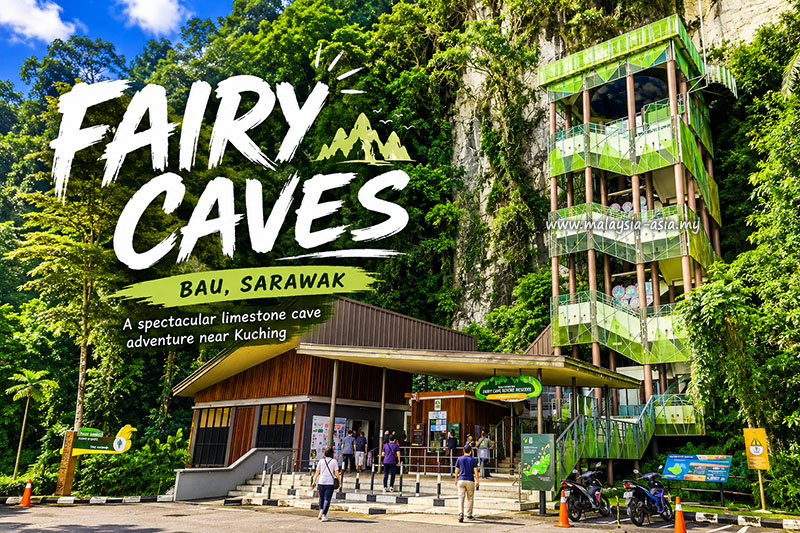
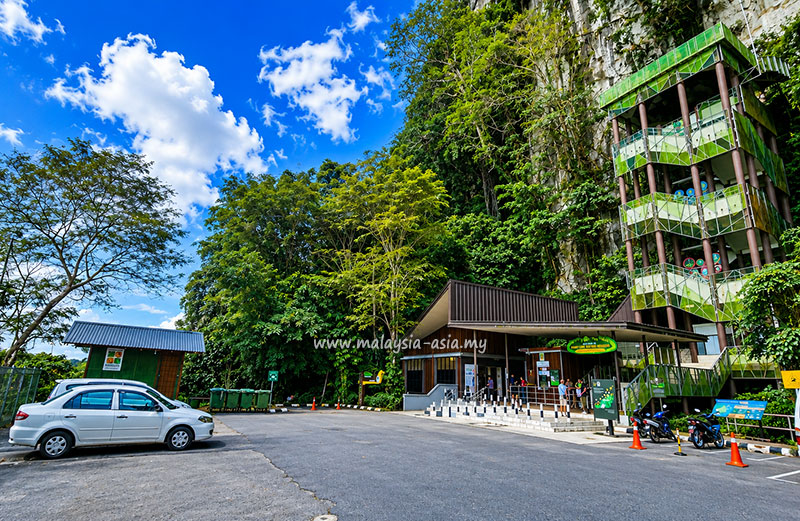
The exterior of Fairy Cave has received a noticeable upgrade, with improved visitor facilities, a more organised entrance area and better access for travellers. It still retains its natural and slightly adventurous character, but it now feels more welcoming for visitors who want to experience one of the most impressive limestone caves near Kuching.
Located about 50 km from Kuching, Fairy Cave is near Bau, a small town with a long history linked to gold mining and the Bidayuh community. The drive from Kuching takes around one hour, passing local villages, pepper farms, limestone hills and the green countryside of western Sarawak.
Fairy Cave is also known locally as Gua Kapor. It is one of the largest and most scenic caves in the Kuching area, famous for its massive limestone chamber, natural openings, cave plants, bats and dramatic shafts of sunlight that enter through the cave walls.
Fairy Cave Has Changed Since My First Visit
When I first visited Fairy Cave in 2009, the entrance felt quite basic. There was an old ticket counter, limited facilities and the entire place had a more abandoned feel. The cave itself was beautiful, but it was not promoted as strongly as it should have been.
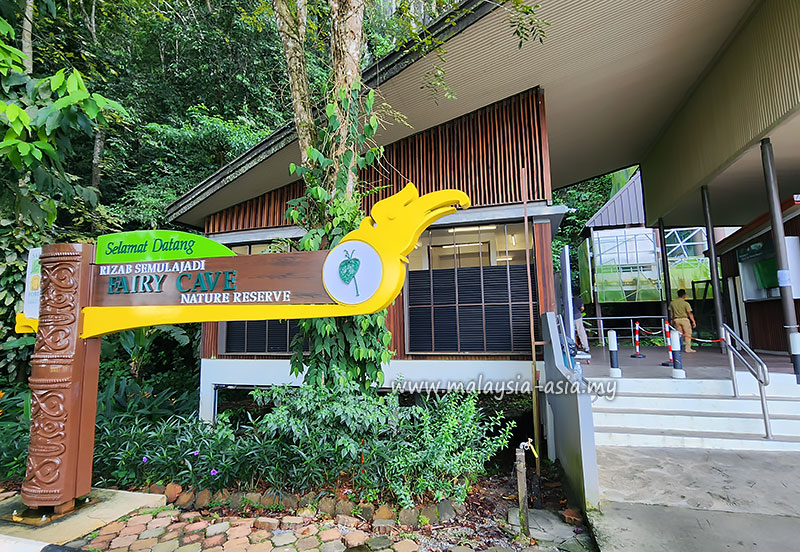
During my return visit in 2023, the exterior area had been improved. The entrance and visitor section looked more presentable, while the approach to the cave felt better maintained. There are now proper facilities on site, including toilets and a ticketing area, making it much easier for visitors than in the old days.
The cave remains natural inside, which is exactly how it should be. You will still find wet surfaces, guano-covered railings in some sections, dark passages and uneven walkways. Fairy Cave is not a shopping-mall-style attraction with bright lights and air-conditioning. It is a real limestone cave, and that is part of its charm.

Climbing Up to Fairy Cave
One thing has not changed: you still need to climb.
The main entrance is reached by a long concrete staircase built against the limestone cliff. It is roughly five storeys high, so do not expect to casually walk into the cave from ground level. Take your time, especially in the heat, and bring water with you.
The staircase is part of the experience. As you climb, you begin to see the limestone walls rising around you, and the surrounding forest opens up below. Once you reach the upper entrance, there are more steps and walkways leading into the cave system.
Inside, Fairy Cave has a mixture of concrete paths, metal staircases and wooden boardwalks. Some sections are narrow, and there are places where you need to watch your head. The cave can also be slippery, especially after rain, so proper shoes are highly recommended.

Entering the Main Chamber
The first real surprise comes after you pass through the upper entrance. Fairy Cave opens into a huge limestone chamber filled with natural light, moss-covered rocks, ferns and dramatic rock formations.
On a sunny day, sunlight streams through openings in the cave walls and ceiling, creating one of the best photo moments in the cave. The light hits the plants and limestone walls, giving the entire place a green and golden glow.
This is where Fairy Cave earns its name. The atmosphere feels almost unreal, especially when the light is coming through the cave mouth and the chamber is filled with mist, greenery and echoes from dripping water.
The cave is also home to bats, so visitors should expect the smell of guano in some areas. It is part of the natural environment. Avoid touching railings unless necessary, and bring hand sanitiser or wet wipes if you are particular about cleanliness.

Stalactites, Stalagmites and Sacred Rock Formations
Fairy Cave has many limestone formations, including stalactites hanging from the ceiling and stalagmites rising from the ground. Some of these formations are huge and have taken thousands of years to develop.
There are also rock formations that local visitors associate with religious and spiritual beliefs. One of the best known is said to resemble the Chinese Goddess of Mercy, and you may see joss sticks or small offerings in certain areas of the cave.
This is an important reminder that Fairy Cave is not just a tourist attraction. It has long been visited by local communities for prayer and spiritual purposes. Visitors should be respectful, avoid touching the formations and never remove anything from the cave.
Fairy Cave Trails: Twilight Trail and Dark Trail
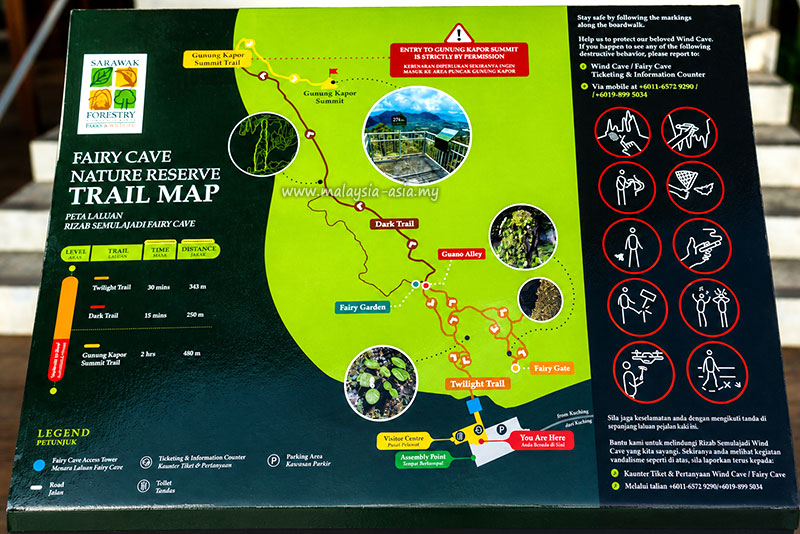
Fairy Cave now has more clearly defined trail sections, including the Twilight Trail and Dark Trail. The Twilight Trail is suitable for most visitors who are reasonably fit and comfortable with stairs. It takes you through the main chamber, where you can see the cave plants, limestone formations and dramatic natural light.
The Dark Trail is more adventurous and goes deeper into the cave. This section can be very dark, wet and more challenging. A torchlight is useful, and visitors should not attempt deeper sections alone. If you want to explore beyond the main trail, it is best to engage a local guide.
For most visitors, the main chamber and Twilight Trail are enough to enjoy the beauty of Fairy Cave. The Dark Trail is better suited for those who enjoy caving, adventure and a more rugged experience.
Photos of Fairy Caves in Bau, Kuching


Photography at Fairy Cave
Fairy Cave is one of the best places near Kuching for cave photography. The huge entrance, limestone walls, green cave plants and natural light make it especially photogenic.
The best time for photography is usually in the morning or when the sun is bright enough to enter the cave openings. Light conditions change throughout the day, so it is worth taking your time inside.
For smartphone photographers, use HDR mode carefully and tap on the brighter areas to avoid overexposing the cave entrance. For camera users, a wide-angle lens is useful, but do not forget to take some photos showing people inside the cave for scale. The main chamber is much larger than it looks in photographs.
Tripods may be useful in darker areas, but be considerate of other visitors and avoid blocking the narrow walkways.
Fairy Cave Bau Visitor Information
Location: Bau, Sarawak, Malaysia
Distance from Kuching: Around 50 km, or approximately one hour by road
Nearest town: Bau, around 8 km away
Opening days: Tuesday to Sunday
Closed: Monday
Suggested visiting time: Morning, especially for photography and cooler conditions
Estimated exploration time: Around 1 to 2 hours
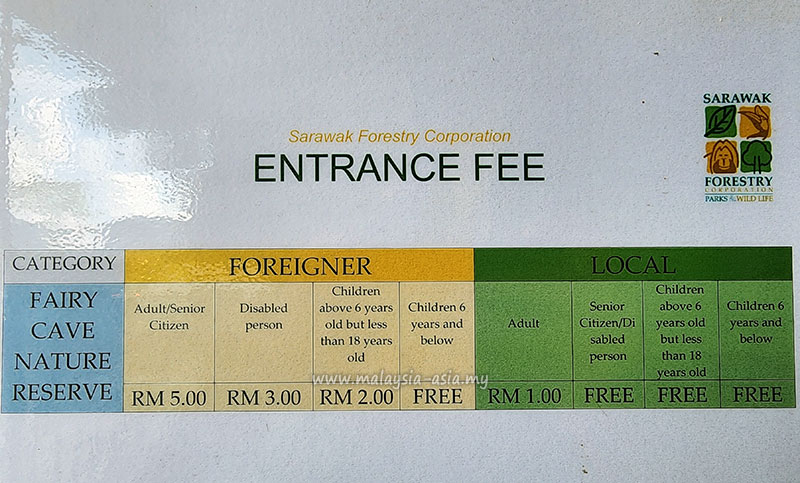
Entrance fee: Low-cost admission applies. Fees may differ for Malaysians and international visitors.
Facilities: Ticketing counter, toilets, parking and visitor information area
Trail difficulty: Moderate due to the long staircase, wet surfaces and uneven cave walkways
Opening hours, entry fees and trail access can change due to weather, maintenance or safety conditions. Fairy Cave may close during heavy rain, so it is always best to check locally before travelling from Kuching.

What to Bring to Fairy Cave
- Drinking water
- Proper walking or sports shoes with a good grip
- Torchlight or headlamp for darker sections
- Small towel or wet wipes
- Hand sanitiser
- Camera or smartphone
- Light rain jacket, especially during the wet season
- Basic first aid items if you are travelling independently
Avoid slippers, sandals with poor grip or shoes that you do not want to get dirty. The cave floor can be wet, and bat guano is common in some sections.
How to Get to Fairy Cave from Kuching
The easiest way to visit Fairy Cave is by private car, a hired driver, or an organised tour from Kuching. The drive takes about 1 hour and can be combined with a visit to the nearby Wind Cave Nature Reserve.
From Kuching, take the road towards Bau. The route passes Batu Kawa, local villages and plantation areas before reaching Bau town. From Bau, follow the signs towards Fairy Cave.
Public transport to Fairy Cave is limited. Buses may reach Bau town from Kuching, but you will still need to arrange a taxi, Grab driver or private transport for the final journey to the cave.
For first-time visitors, I recommend joining a guided half-day tour or hiring a driver to combine Fairy Cave and Wind Cave in a single trip. This is easier, safer and more practical, especially if you are unfamiliar with the Bau area.
Fairy Cave and Wind Cave in One Day
Fairy Cave and Wind Cave Nature Reserve are usually visited together. Fairy Cave is the more dramatic and photogenic of the two, with its huge chamber, natural light and long staircase climb.
Wind Cave is lower, easier to access and known for its boardwalks, river setting and bat colonies. Visiting both gives you two very different cave experiences in Bau. If you only have time for one, choose Fairy Cave for photography, limestone scenery and a more adventurous cave experience.
Video of Fairy Caves taken in 2009
Map to Fairy Caves
Final Thoughts
Fairy Cave has come a long way since my first visit in 2009. The upgraded exterior and improved visitor facilities have made it easier for travellers to visit, but thankfully, the cave itself still feels raw, natural and slightly mysterious.
It is not a polished tourist attraction, and that is exactly why it remains special. You climb the stairs, step into the darkness, smell the cave, hear the bats and suddenly find yourself standing in a huge limestone chamber filled with green plants and shafts of sunlight.
For travellers visiting Kuching, Fairy Cave in Bau is one of the best half-day nature trips you can do outside the city. Combine it with Wind Cave, Bau town and Tasik Biru for a rewarding day out in western Sarawak. If you love all things caves, do check out my other article on the 8 caves to visit in Sarawak, as you never know, you may end up on a caving trip.
Last Updated: June 2026
Share this content: