
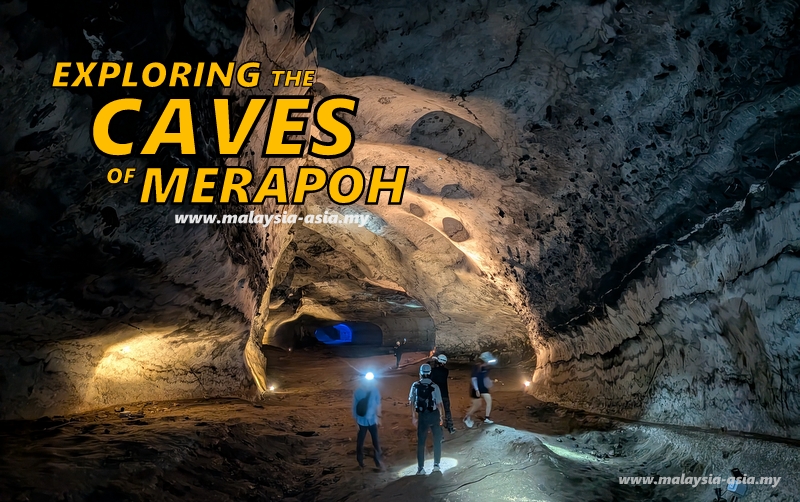
I was fortunate enough to have been invited by Habitat Expeditions to join a 3 day 2 night tour of Gua Musang and Merapoh, from 3-5 July 2026. For this trip, I was joined by 11 other explorers, all looking for an experience beyond the beaten path. After a tiring and jam-packed 2 days, our last day promises something a bit more relaxing as we would be visiting two easy caves within a few kilometres of Merapoh town.
Exploring the caves of Merapoh – with Habitat Expeditions
To cover our tour with as much detail as possible, I have divided this trip report into three parts, one for each day. You can read the previous parts of this trip report at the links below:
Breakfast: Kedai Makan Mok Nab
Before we gear up and head into the caves, the first order for the morning was breakfast, of course! We took a short drive to the old part of Gua Musang to visit Kedai Makan Mok Nab. While the shop is well-known for their nasi berlauk (rice with gravy), the eatery also serves a range of breakfast goodies such as nasi dagang and various kuih (traditional snacks). Uniquely, the shop is famous for being able to order and receive food through ground floor windows.
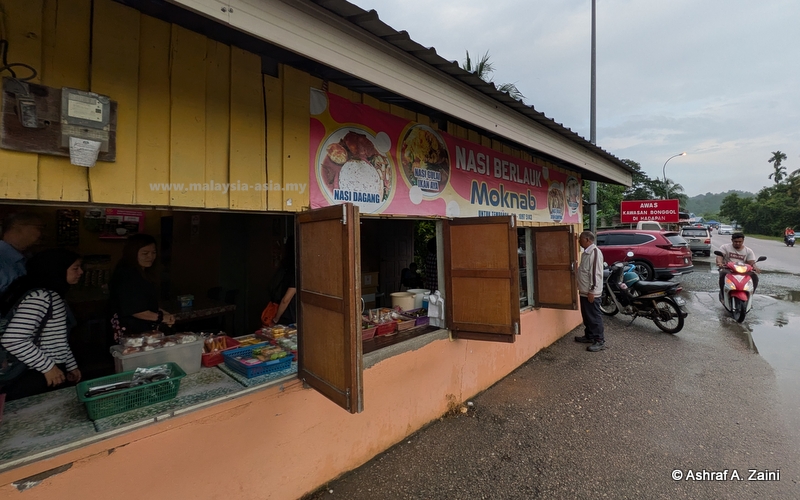
For this morning, I opted for a few tasty kuih rather than rice, considering the rather heavy dinner we had the previous night. The pulut (glutinous rice) with sweetcorn filling was amazing, and it went very well with a hot cup of coffee.
Day 3 – Caves of Merapoh
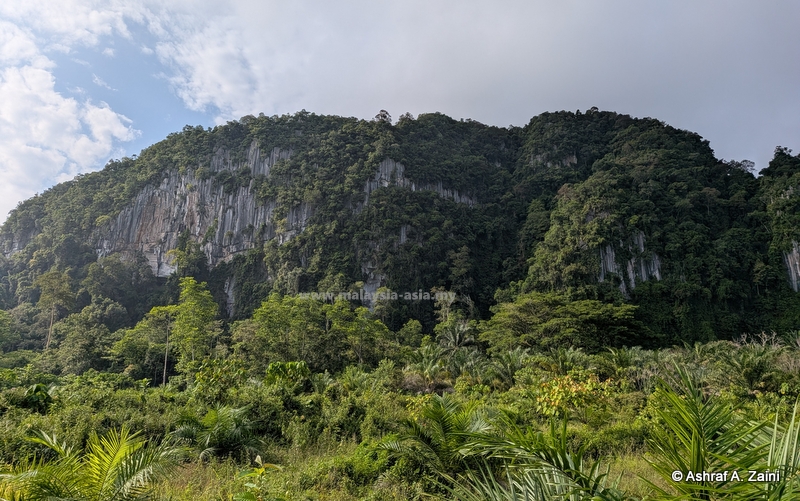
Merapoh is known for its caving, and has often been marketed as a ‘caving paradise’. The geology of the area surrounding Merapoh is mostly made of limestone dating back to the Permian – Triassic age, 290 – 200 million years ago. The landscape is punctuated by towering limestone hills clad in green, and many of these hills harbour caves within, many of which have never been explored before.
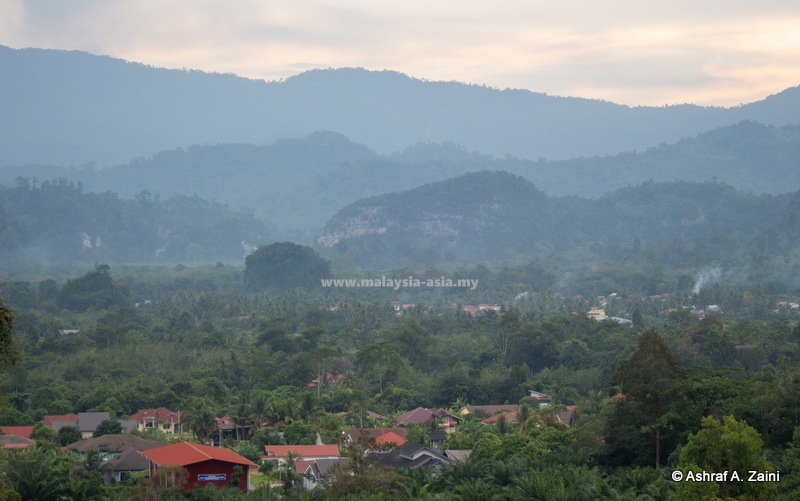
These karstic hills and caves hold many secrets, including fascinating geological formations and various species of animals that only live in the darkness. Fortunately, unlike many other limestone hills in Malaysia, the ones surrounding Merapoh are protected from mining and development, as part of the larger Lipis Geopark.
According to our guide, there are more than 400 caves around Merapoh, but only a quarter of these have been explored. Out of the these, only about 12 are open to the public. And as part of our tour, we went to explore two of them.
Gua Sisik Naga (Dragonscale Cave)
Our first cave for the day was a 15 minute drive from the Merapoh train station. It has a rather exotic name, befitting its enchanting features. This cave is quite easy to access, as there is a walking platform and lighting installed within. Moreover, the entire cave is only about 800 metres long.
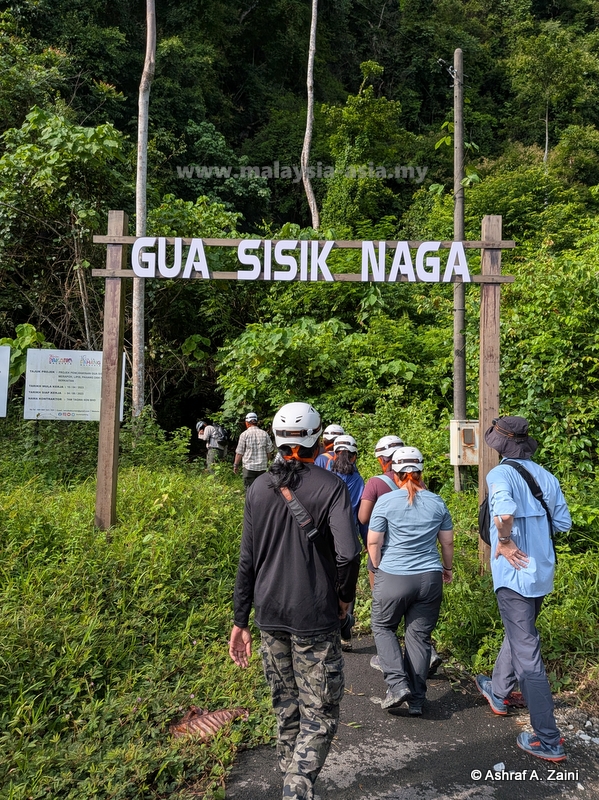
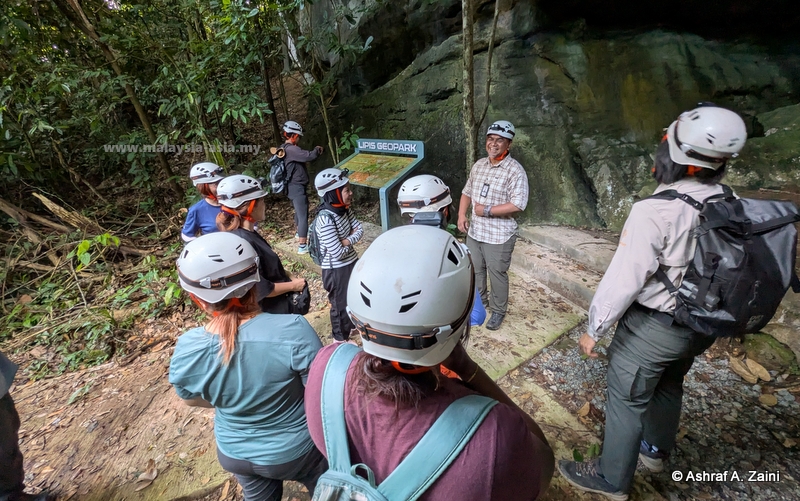
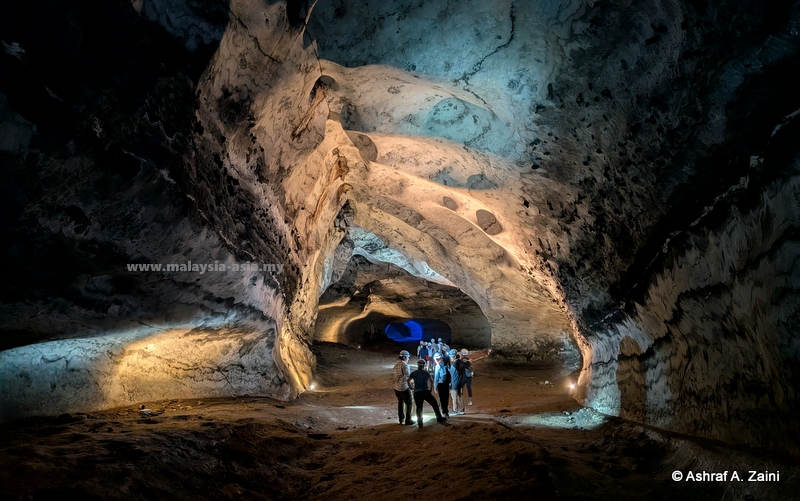
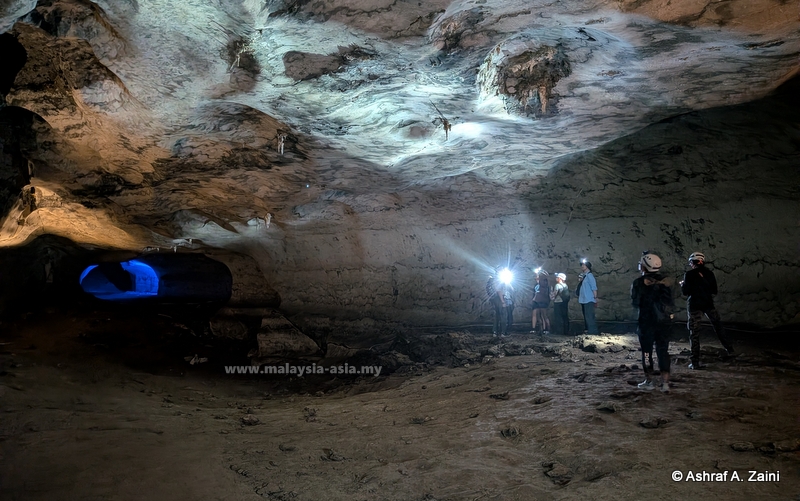
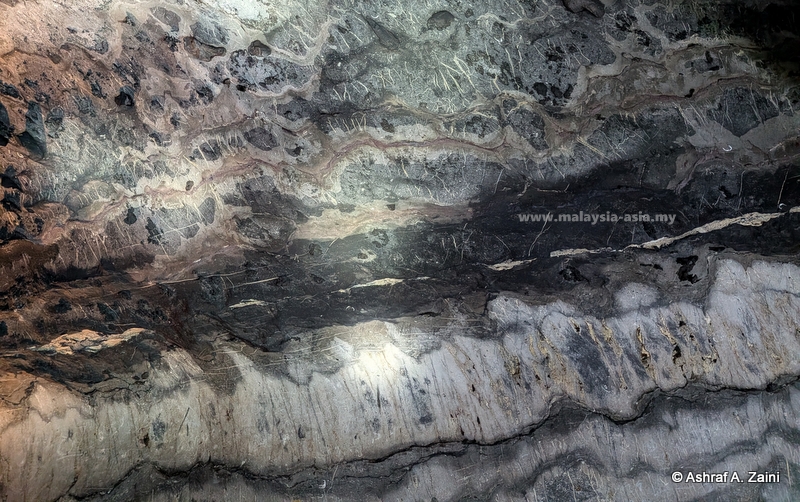
The main draw for this cave are the fascinating geological formations located within. From inside the main chamber, we could see why it got such a fantastical name. Standing there, the impression is like being within the belly of a dragon, complete with a jagged spiky backbone. And on the walls of this ‘belly’ are wavy geological patterns and rock nodules that recall reptilian scales – hence the name.
Gua Tahi Bintang (Shooting Star Cave)
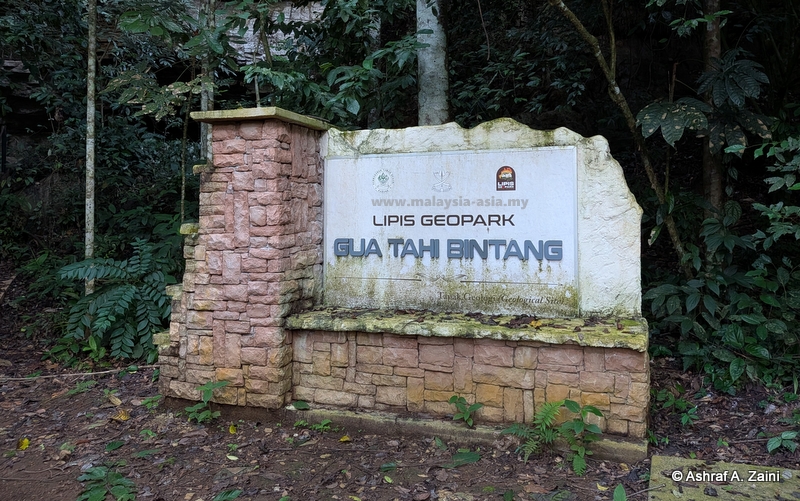
Our second cave in Merapoh is Gua Tahi Bintang, a mere 15 minute drive away from the first cave. This one is also easily accessible as it is very short, with only one main chamber. Just like the previous cave, this one is also named after interesting geologic formations located within. However, this is where the similarity ends.
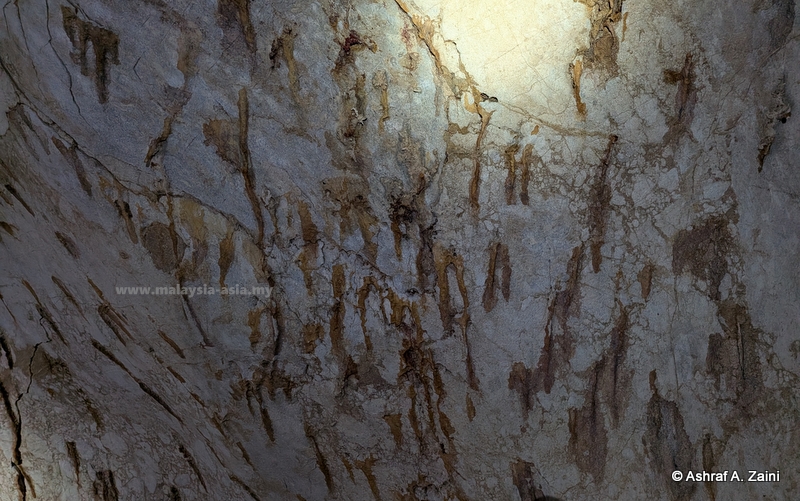
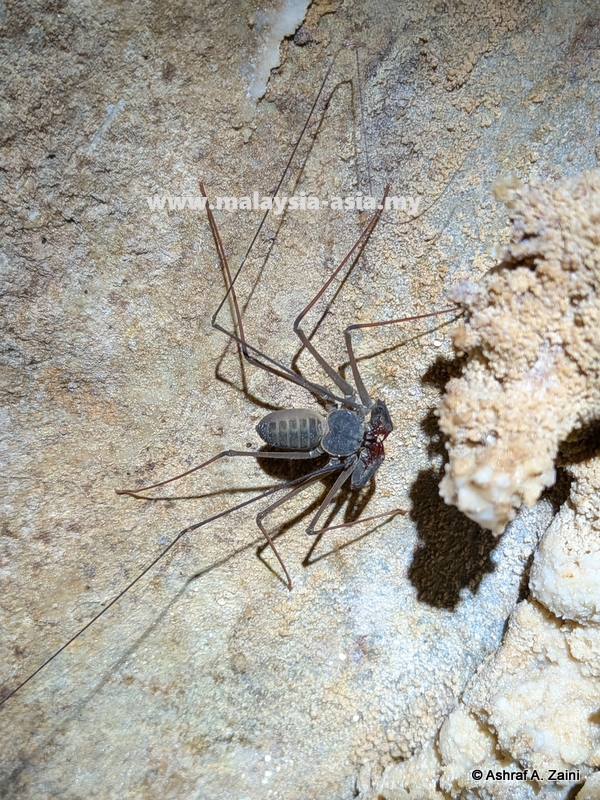
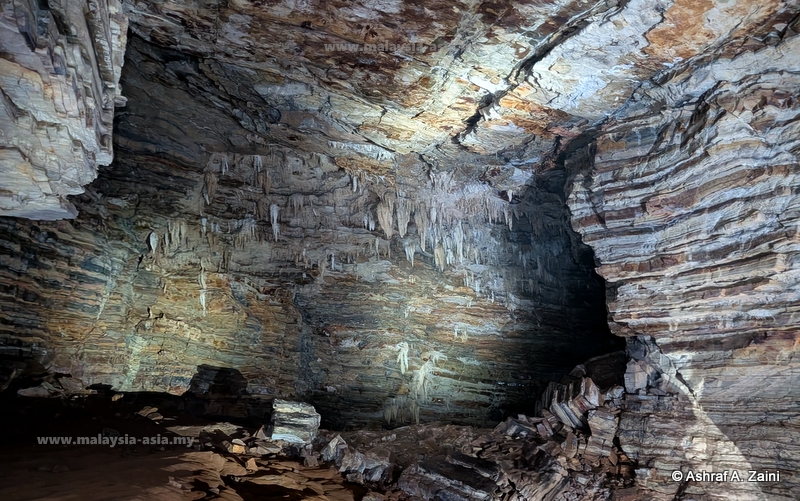
Unlike the previous cave, this one is more ‘alive’, with an assortment of animals such as bats, swiftlets and whip scorpions calling it home. According to our guide, this is because of the steady supply of water trickling down from the cavern roof and through the permeable walls of the cave.
For this same reason, this cave has more stalactites and stalagmites. Uniquely, this cave has what scientists refer to as ‘helictites’. These rare geological formations are similar to stalagmites, but rather than grow straight down, helictites have branches. The reason for these formations have yet to be fully understood, but is currently thought to be due to the capillary action of water depositing its calcium content over millenia.
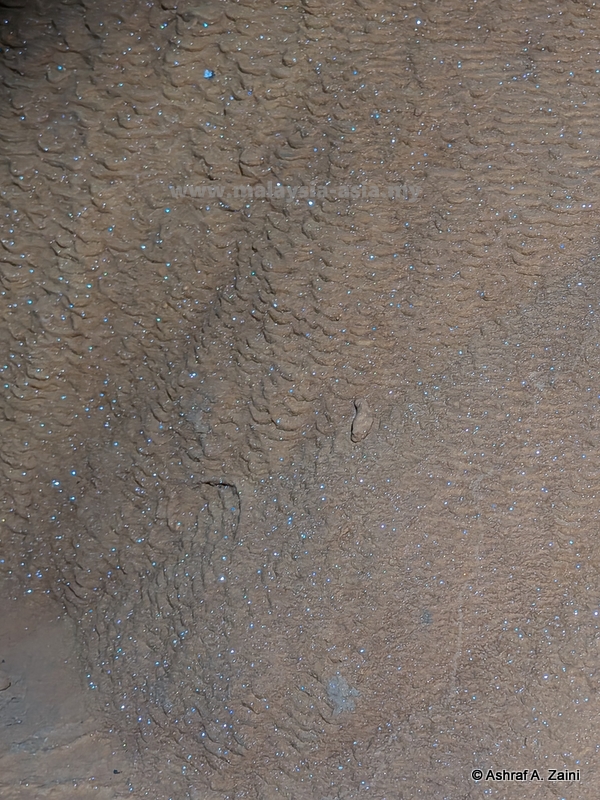
As if all this isn’t enough beauty already, the cave has one more trick up its sleeve. Within the cave floor are countless tiny calcite crystals. These crystals reflect the light from our torches, producing an effect similar to twinkling stars in the night sky. Simply astounding!
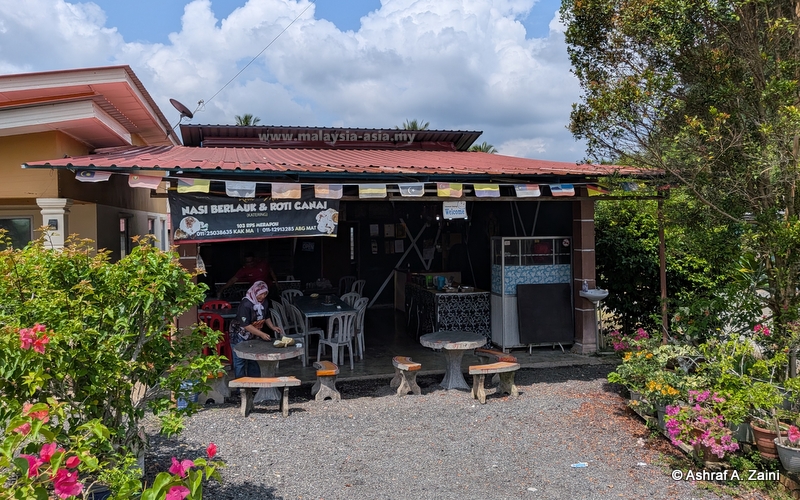
Lunch: Kak Ma Nasi Berlauk & Roti Canai
After our spelunking was done, lunch beckoned. We headed for Kak Ma’s family-run eatery located next to a house in Kampung Merapoh. This was also our last food stop before the tour ended.
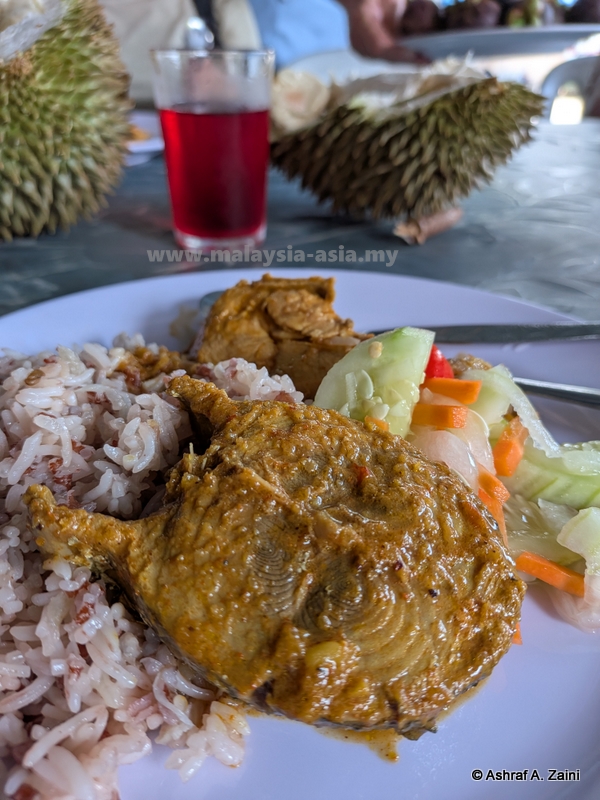
For the final meal of the tour, we were served home-cooked nasi dagang with chicken and ikan tongkol (bonito) curry, with a side of acar (pickled vegetables). This was probably the best nasi dagang that I’ve tasted in recent memory. It was fresh, hot and just so good!
Moreover, Kak Ma and her husband also catered for our lunch the previous day in Taman Negara, which was similarly delicious.
After lunch, we headed back to our Gua Musang hotel to check out, and say farewell.
Conclusion
I had a fantastic 3 days exploring Merapoh and Gua Musang with Habitat Expeditions. The tour opened my eyes to hidden gems like Kampung Pulai and Shue Yue Gong temple. On top of that, I experienced first hand the geologic wonders of the caves around Merapoh, as well as the eponymous Gua Musang cave itself. Even Taman Negara Sungai Relau, which I had been to several times before, surprised me with new experiences that genuinely made me squeal with childlike excitement and wonder.
In short, exploring Gua Musang and Merapoh with Habitat Expeditions was truly a surprising and eye-opening experience that will live long in my memory.
Like what you see in this trip report? Why not experience the tour yourself! Head over to the Habitat Expeditions website for further information and inquiries.
Share this content: