
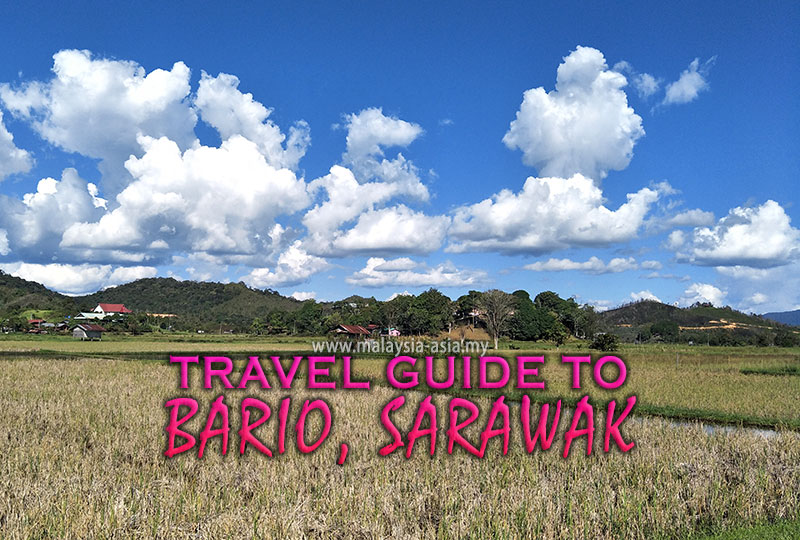
Travel Guide to Bario in Sarawak: Everything You Need to Know
High up in the Kelabit Highlands of Sarawak lies Bario, one of the most remote and fascinating destinations in Malaysia. Known as the “Valley of the Wind” in the Kelabit language, Bario is surrounded by mountains, cool air, and timeless traditions. For travellers seeking culture, adventure, and authentic highland hospitality, this is a place unlike any other.
After several trips to Bario and exploring its inner and outer life, I created this comprehensive travel guide to help you plan your journey—from how to get there to where to stay, what to eat, and the best things to do.
Where is Bario?
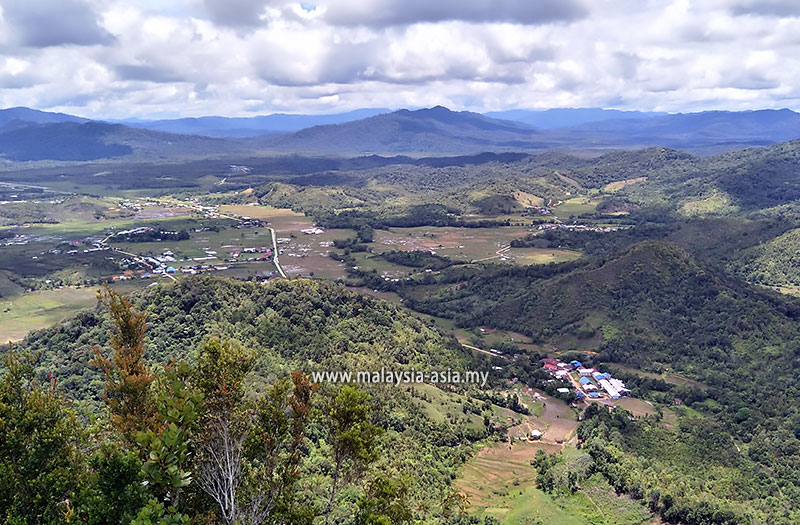
Bario is located near the Sarawak–Kalimantan border, at the foot of the Kelabit Highlands, part of the Apo Duat Range close to Mount Murud, Sarawak’s highest peak. The highlands are at approximately 1,000 meters above sea level, with cool, refreshing temperatures averaging 16–25°C year-round.
The area is home to approximately 6,000–7,000 Kelabit people, of whom only 800–1,000 remain in the highlands today. Farming, particularly of the famed Bario Rice and Bario Salt, remains the backbone of local life.
How to Get to Bario
By Air
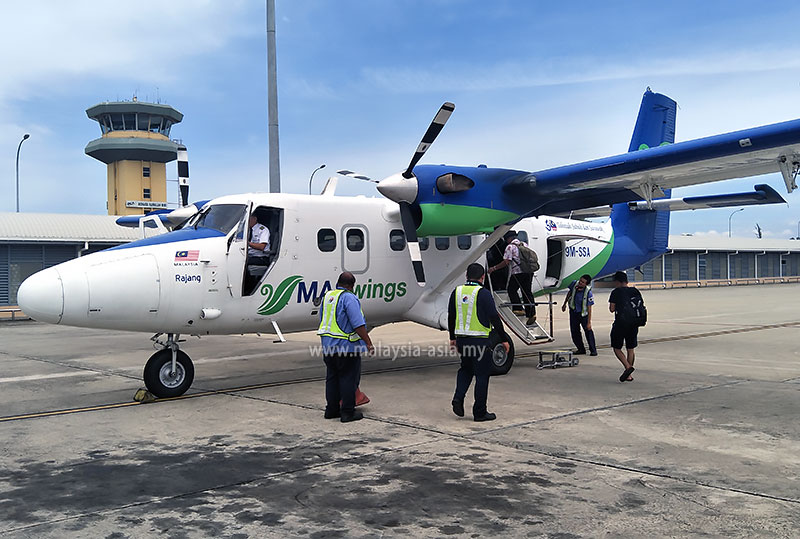
The easiest and most common way to reach Bario is by flight. MASwings (2026, Air Borneo) operates three daily flights from Miri and occasional connections from Lawas and Kuching. The journey takes about 50–60 minutes in a 16-seater Twin Otter turboprop aircraft.
Flying to Bario is an adventure in itself. At low cruising altitudes of 1,000–3,000 feet, you’ll enjoy sweeping views of Sarawak’s rainforests, winding rivers, and logging roads. Landings at Bario Airport are thrilling, with the short runway set against the dramatic highland scenery.
Seats are limited, and passengers and their luggage are weighed together, so light packing is essential. During festival season, additional flights are added to meet demand.
By Road
Bario can also be reached overland from Miri via rugged logging roads, though the journey takes 12–13 hours by 4WD. Although it is challenging, locals still use this option to transport heavy goods. Travellers can also take a shorter overland trip to Ba’kelalan, Bario’s sister village, which takes about six hours by 4WD. This, again, is for those with the luxury of time.
Where to Stay in Bario
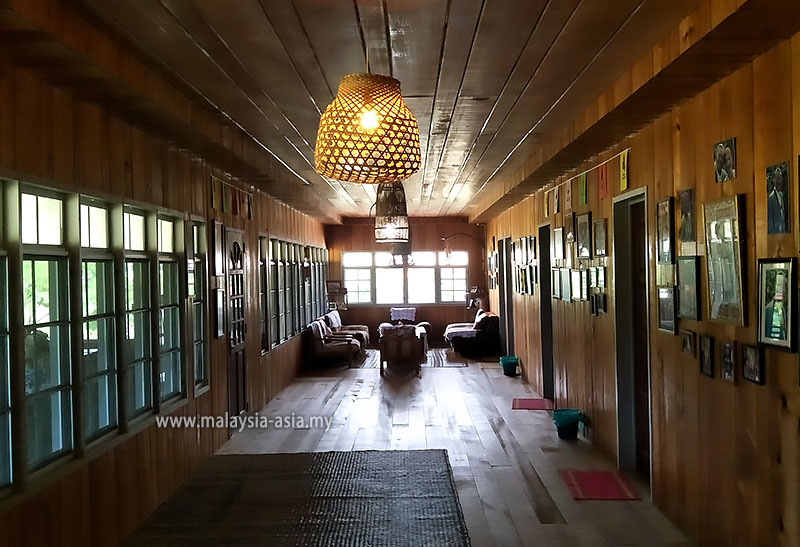
There are no hotels in Bario, only homestays run by local families. Approximately 12 are professionally managed, while others operate on a more casual basis.
What to Expect
No air conditioning or hot showers — water is icy cold, though locals boil water over the fire for warmth.
Simple wooden or brick houses, often located on hillsides overlooking paddy fields.
Meals are provided, featuring authentic Kelabit dishes.
No convenience stores or cafés; only small family-run grocery stalls and a tea stall in town.
Recommended Homestays
Ngimat Ayu Homestay – Run by Scott Apoi and family, offering comfort, history, and beautiful views from its hilltop location.
Jungle Blues Dream Gallery & Homestay – Combines art and hospitality, run by artist Stephen and his wife.
Other longhouse homestays – Stay in traditional Kelabit longhouses like Bario Asal or Ulung Palang for a cultural immersion.
Things to Do in Bario
Because Bario is so remote, there are only natural activities available with no shopping or fancy restaurants in the entire vicinity. I’ve also written about the things to do in Bario if you want to dive deeper. Otherwise, below is a list of the popular activities in Bario.
Trekking and Hiking
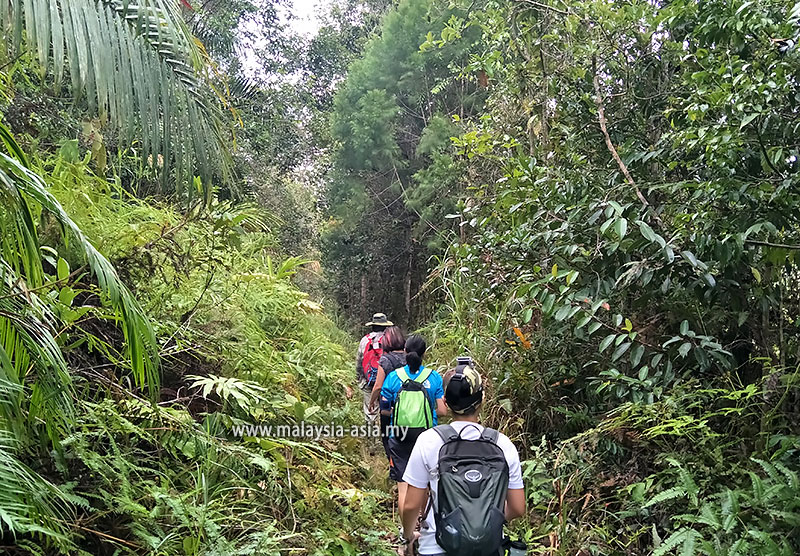
The cool climate makes trekking one of the best activities in Bario. Trails range from easy 10-minute walks to multi-day adventures.
Korea Hill – Easy (10–15 mins)
Prayer Mountain – Medium/Hard (45–60 mins)
Pa Lungan Village – Medium/Hard (4–5 hours)
Pulong Tau National Park – Medium/Hard (3–5 hours)
Bario to Ba’kelalan Trek – Hard (1–2 days)
Birdwatching
Bario is truly a hidden gem for birdwatchers, with montane species rarely found elsewhere. Rare birds, such as the Dulit Frogmouth, have been spotted here. A casual walk can yield 10–20 species, while guided treks offer even more. Local guides such as Scott Apoi offer birdwatching tours. If you are interested, you can read my birdwatching trip report from Bario.
Visit the Bario Salt Factory
In Kampung Pa’Umor, families take turns producing Bario Salt using centuries-old methods. Saltwater is boiled over wood fires, dried in bamboo, and packed in jungle leaves tied with rotan. The process is labour-intensive but produces mineral-rich salt valued across Sarawak.
Explore Kelabit Longhouses
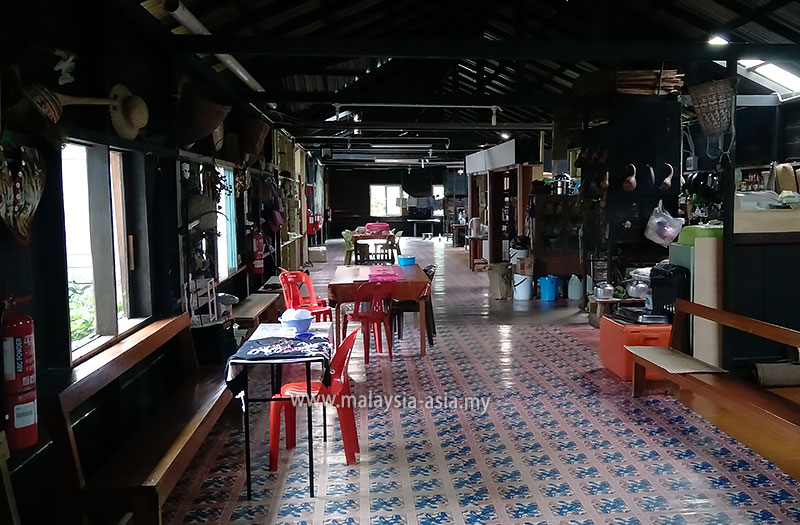
Longhouses are the cultural heart of the Kelabit people. Unlike Iban longhouses, Kelabit longhouses use the Tawa (corridor) primarily for functions. Guests usually enter through the kitchen, the true heart of the home, where the tetal (fireplace) is located. The oldest and most famous is the Bario Asal Longhouse.
Cultural Evenings
Visitors are often treated to traditional Kelabit dinners followed by cultural performances. Expect dishes like nuba’ laya (rice wrapped in leaves), kikid (porridge), and labo belatuh (smoked meat). Performances feature traditional dances, with a surprising twist — the Kelabit fondness for country and western music, complete with cowboy hats and boots.
Other Highlights
Cycling – Rent a bike and explore farmlands, longhouses, and paddy fields.
Kayaking – Paddle along the Dapur River for a different perspective.
Megaliths – Visit ancient sites like Batu Narit and Batu Ritong, carved with mysterious figures and linked to the legend of Upai Semaring.
War Memorial – A small site honouring WWII soldiers, including local Kelabits, Australians, and British troops.
Mini Museum – Built in 2015, highlighting Kelabit history and heritage.
Sunset at Korea Hill – A short walk to watch the sunset over the valley.
Kelabit Food
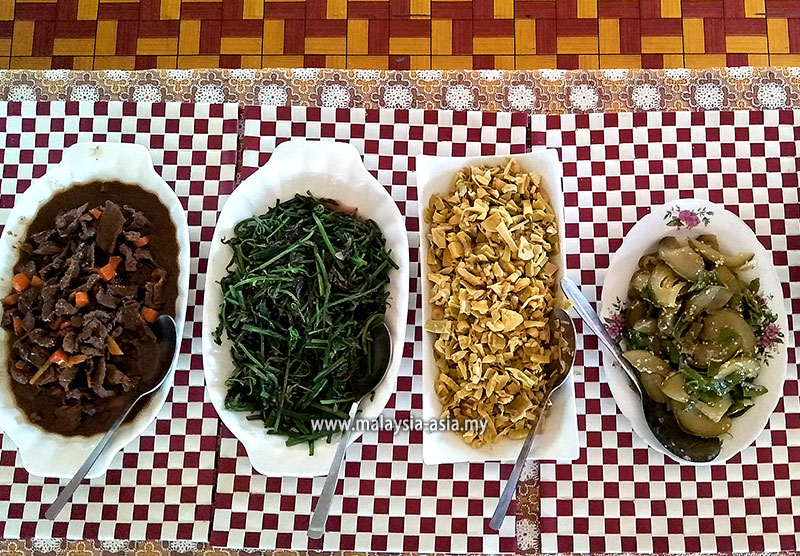
Food is central to the Bario experience. It is farm-to-table, organic, and deeply tied to the land.
Nuba’ Laya’ – Soft rice wrapped in leaves, the staple of Kelabit meals.
Labo Belatuh – Smoked wild boar or venison.
Kikid – A traditional rice porridge.
Lingayen – Wild spinach.
Lanau – Local asparagus with dried fish.
Jungle Vegetables – Meedin (fern shoots), tepus (wild ginger bud), daun ubi (cassava leaves), and terong pipit (tiny eggplants).
Don’t miss Bario Rice, a premium highland variety, and the Bario Pineapple (Bua Kabar), often described as the sweetest pineapple in the world.
Pesta Nukenen Bario
The Bario Food and Culture Festival, or Pesta Nukenen, takes place annually from late July to early August. First held in 2005, it celebrates Kelabit cuisine and traditions while safeguarding heritage for future generations.
The festival features food stalls, cultural performances, traditional games, and a carnival-like atmosphere. It is the best time to experience Bario, as longhouses open their doors to visitors and the entire community comes together.
When to Visit Bario
The best times to visit Bario are:
December to February – Cool, pleasant weather.
Late July to Early August – To attend the Pesta Nukenen Festival.
Conclusion
Visiting Bario in Sarawak is a journey into a world where culture, nature, and tradition are still deeply intertwined. From trekking through cool highland trails and visiting megalithic sites to savouring Kelabit cuisine and participating in cultural festivals, Bario offers an authentic, enriching, and unforgettable experience.
For those willing to venture off the beaten path, the Bario Highlands promise not just beautiful scenery, but also a rare connection to a way of life that has remained largely unchanged for centuries.
Share this content: