
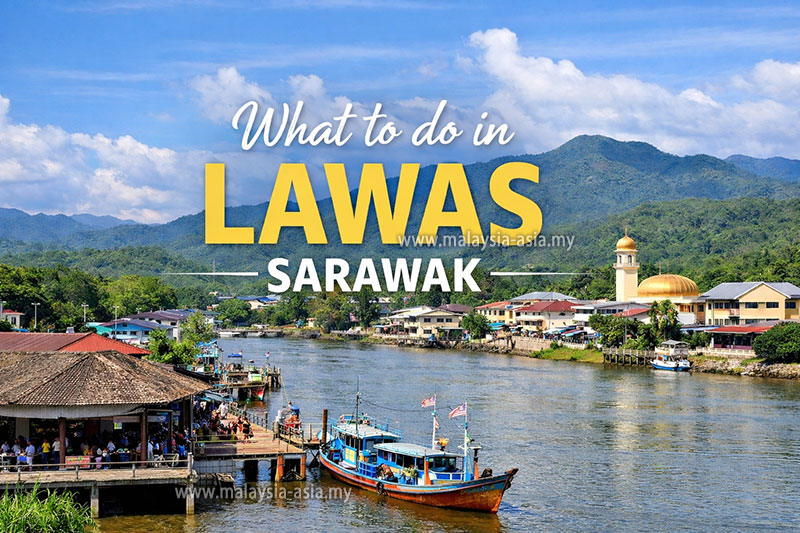
What to Do in Lawas – A Complete Guide to Sarawak’s Northern Gateway
I think most people reading this would not have heard of, or even been to, this rather quaint town, and I would like to share my experience in this article about what to do in Lawas, Sarawak.
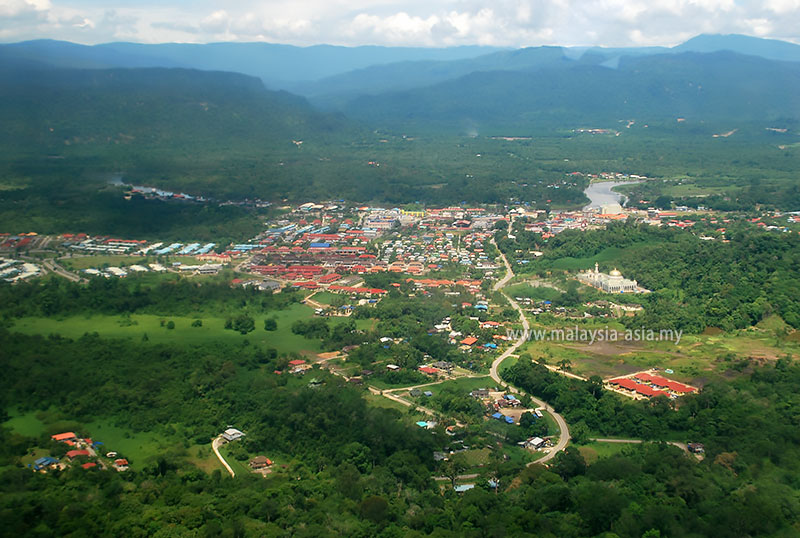
Lawas is a small town located in the northernmost part of Sarawak, sitting between Sabah and Brunei. It is not widely known as a tourist destination, but it plays an important role as a gateway to the highlands, especially for those heading to Ba’kelalan.
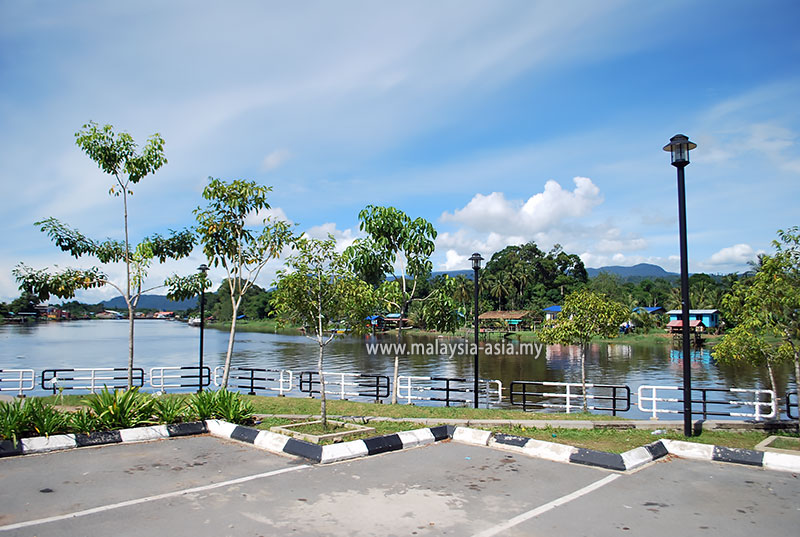
Over the years, Lawas has slowly developed, but it still maintains its small-town charm. It sits along the Batang Lawas River and serves as a transit hub connecting travellers between Sabah, Brunei, and northern Sarawak. If you are planning a trip to Bakelalan or even exploring the lesser-known parts of Borneo, spending some time here is well worth it.
What to Do in Lawas
While Lawas may not have big-ticket attractions, what it offers is something more grounded, local, and authentic. Think about slow travel, this is one of the places which is true to that genre. Everything here is at a relaxed pace, with locals living a very simple life. Here are some of the best things to do in Lawas.
Explore Lawas Town and Waterfront
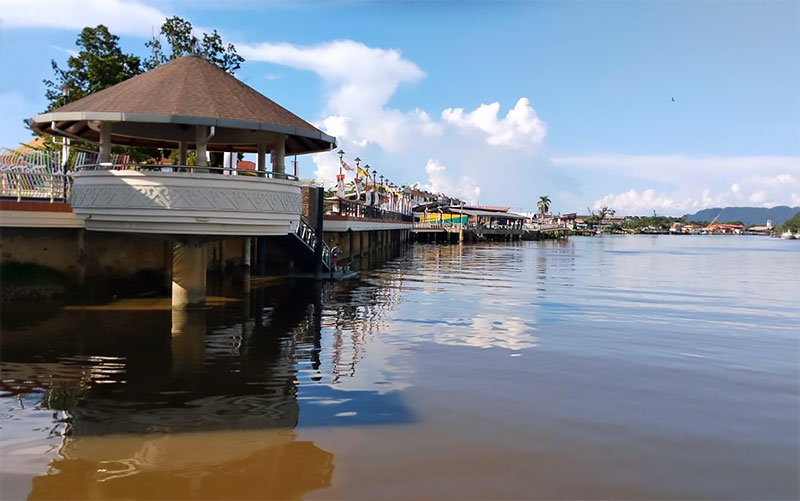
Start with a walk around the town centre, which is compact and easy to explore. Lawas is built along the river, and you will notice how life here revolves around trade, food, and cross-border movement. On weekends, the town gets busier with visitors coming in from Sabah and Brunei. The local tamu, or market, is one of the highlights, where traders from the highlands bring down produce such as rice, salt, jungle vegetables, and fruits from Bakelalan.
Visit the Lawas Tamu Market
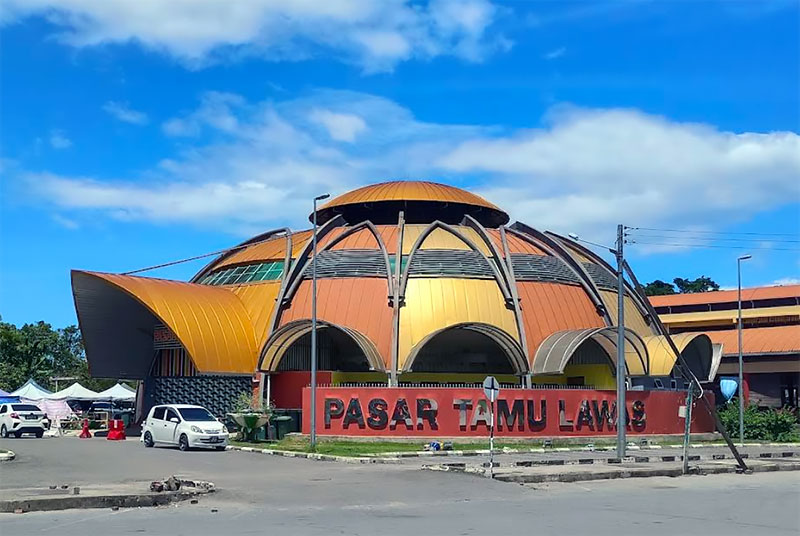
If there is one place that captures the spirit of Lawas, it is the tamu market. This is where you will find everything from fresh produce to local delicacies. One of the must-try items here is ikan tahai, a smoked fish that is considered a local speciality. You will also find highland products such as Adan rice, mountain salt, and seasonal fruits coming down from the Kelabit Highlands.
Try the Famous Ikan Tahai
Food is one of the main reasons locals or cross-border tourists stop in Lawas. Ikan Tahai is a smoked fish that is deeply associated with this region. It is usually cooked in sambal or soup and has a very distinctive flavour. Apart from that, you can also try Lun Bawang dishes like Nuba Laya, pounded rice wrapped in leaves, which is commonly found in both Lawas and the highlands.
Visit Merarap Hot Spring
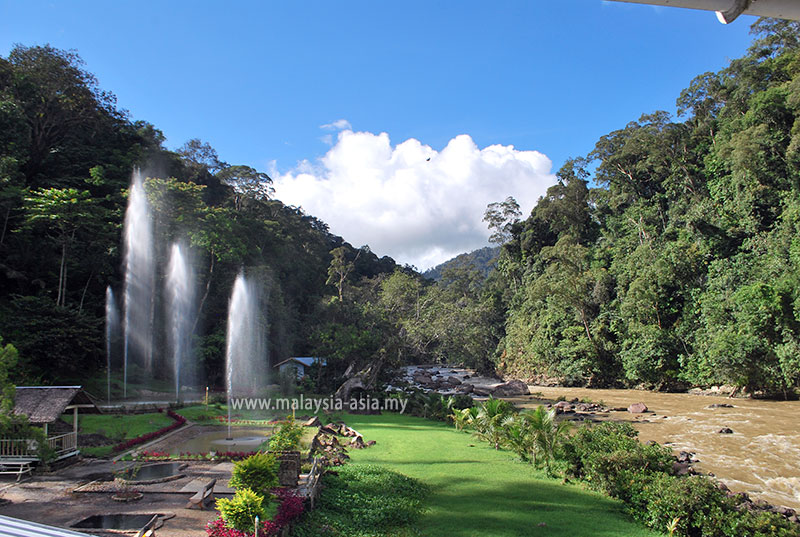
One of the more unique attractions near Lawas is the Merarap Hot Spring. Located about 70 kilometres from town, this natural hot spring is set deep in the countryside and is accessible only by 4WD. It is a great place to relax and experience something different from the usual coastal attractions. Basic accommodation is available, making it suitable for an overnight stay if you want to explore further.
Explore Penawan Waterfall Eco Park
For nature lovers, the Penawan Waterfall area features multiple waterfalls in one location. Located not far from Lawas Airport, this eco park has several cascades and basic facilities for visitors. Some travellers even choose to camp here for a more immersive experience. You must, however, engage a local guide, as this is not one of those commercial places to explore on your own.
Visit Long Tuma Ceramic Bead Centre
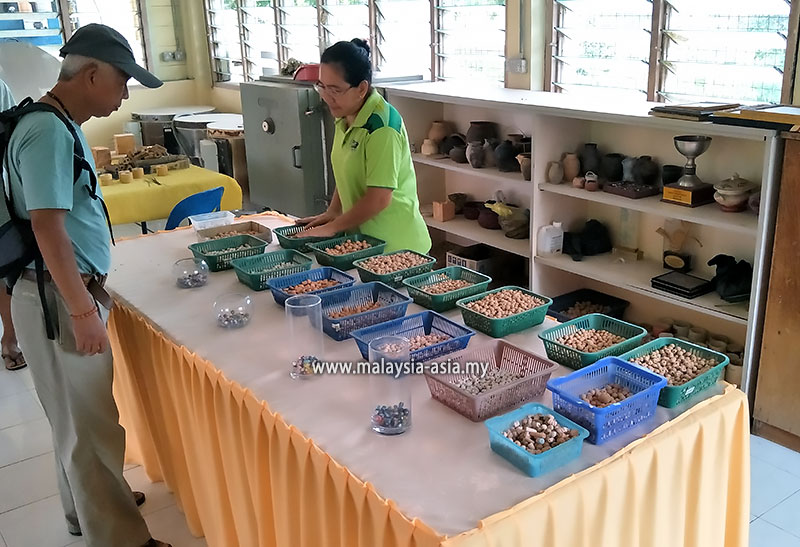
For something cultural, head to Kampung Long Tuma. This village is known for producing traditional ceramic beads made from clay found near the Lawas River. Visitors can see how the beads are made and even try making their own. It is one of the few places in Sarawak where this craft is still practised and they have a centre where visitors can particpate in bead makes classes. For this, you are required to contact the locals to pre-arrange for the Sarawak bead classes, as they are not open every day.
Discover the Fishing Villages
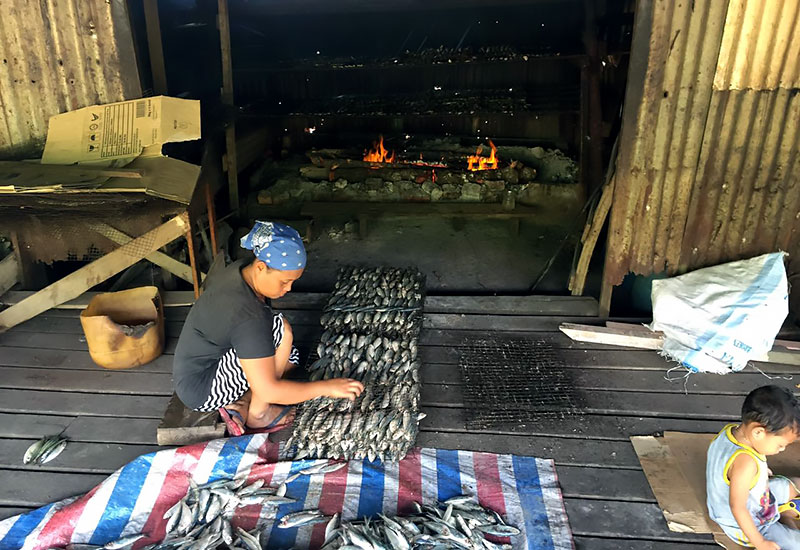
The coastal villages around Lawas, such as Kampung Punang and Awat Awat, are where the famous ikan tahai is produced. Here, you can see the traditional smoking process and get a closer look at how local communities live by the sea. Some of these homes are cottage industries where they are open to visitors dropping by. Make sure you engage a local guide to bring you to the right village homes.
Trek to Payeh Maga Highlands
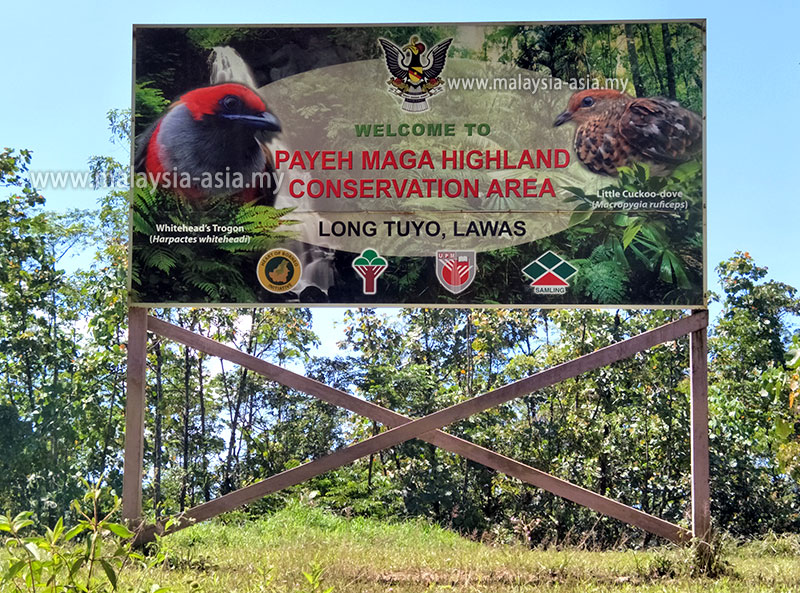
For those looking for a true rainforest adventure, the Payeh Maga Highlands offer rewarding trekking opportunities and some of the best views. Payeh Maga is more suited for experienced trekkers, as it involves a full-day hike and sometimes overnight camping. The area is rich in biodiversity and still largely untouched, and requires you to engage a local trekking guide here. Payeh Maga is also a well-known birdwatching destination for the elusive Black Oriole, endemic to Sarawak and found only here and in one other unnamed place.
How to Get to Lawas
One of the interesting things about Lawas is that it is not directly connected by road to the rest of Sarawak without passing through Brunei.
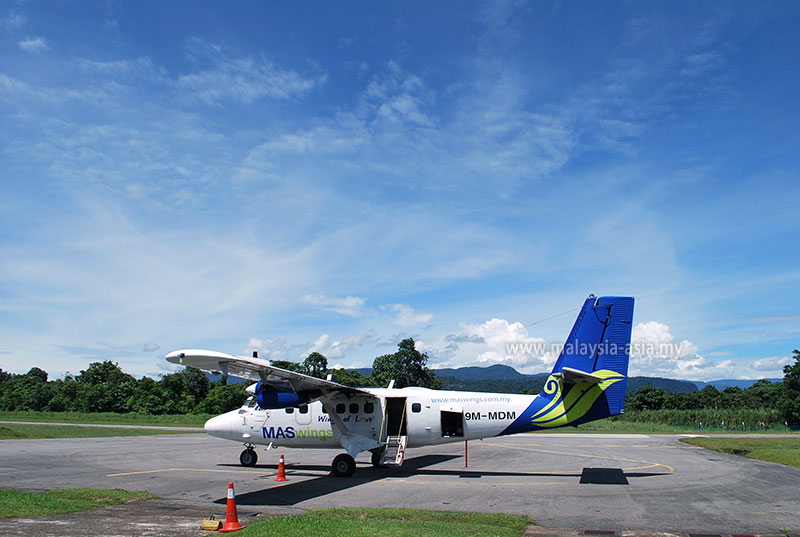
- From Miri: The road journey to Lawas passes through Brunei and Limbang and involves multiple immigration checkpoints. Alternatively, you can fly directly to Lawas Airport, which is the easiest and fastest option. Air Borneo (formerly MasWings) provides flights from Miri.
- From Kuching: The most practical way is to fly to either Miri or Kota Kinabalu, then connect to Lawas.
- There is no direct road route without long travel times and border crossings, so flying remains the recommended option.
- From Kota Kinabalu: Lawas is much easier to reach by road from the city of Kota Kinabalu in Sabah. You can drive overland via the Sindumin border, which takes around 3 to 4 hours, depending on traffic and border conditions. There are also flights connecting Kota Kinabalu to Lawas, making it a convenient entry point from Sabah.
Why Lawas is Worth Visiting
Lawas is not a destination you visit for luxury or big attractions. Instead, it offers a glimpse into everyday life in northern Sarawak. It is where cultures meet, where highland produce flows down to the lowlands, and where travellers pass through on their way to more remote destinations. For those heading to Ba’kelalan or even Bario, Lawas is an important stop that helps you better understand the region.
Most visitors come here on route to Bakelalan and via 4WD. This is one of the main stops before heading on that very interesting six-hour drive to the highlands. Lawas is also probably the last proper town you will see, and after that, it’s just small villages. So, when stopping here, please get whatever you need for your trip.
Conclusion
Lawas may not be on the typical tourist map, but that is exactly what makes it interesting. If you are exploring northern Sarawak or planning a journey into the Kelabit Highlands, take some time to stop here. Enjoy the food, visit the markets, and experience a side of Malaysia that is rarely talked about.
And if you’re here for business or on government work, you can use this list of what to do in Lawas to occupy your free days before heading back. For the Semenangjung people, it’s the Ikan Tahai that everyone looks for.
For me, Lawas is not just a transit town. It is part of the journey, and once you spend a little time here, you will start to appreciate the slower, more grounded side of travel. And that is exactly why discovering what to do in Lawas can be surprisingly rewarding.
Share this content: