
The Kenthongan of Central Java
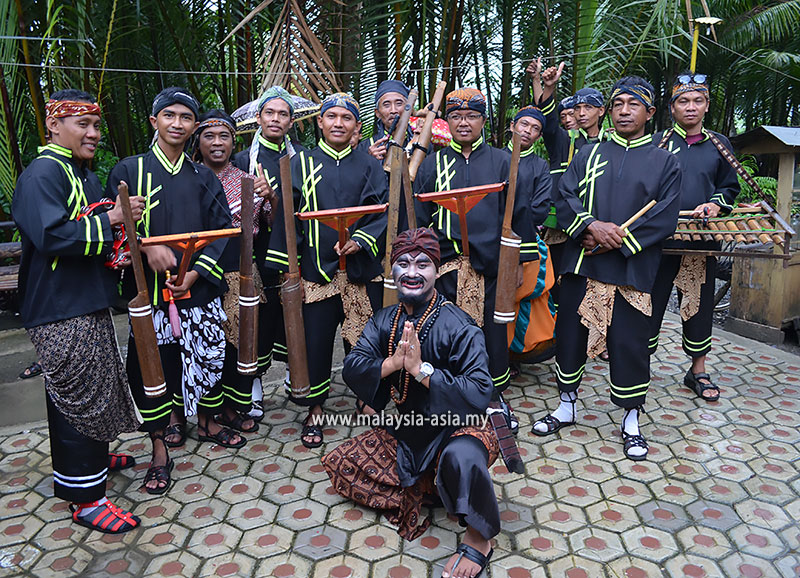
The Kenthongan of Central Java (also known locally as Thek-thek) are not a distinct ethnic group but rather refer to people, often village volunteers or community watch members, who use the kentongan, a traditional bamboo slit drum used across Java, Indonesia.
Beyond its practical function, khentongan culture also carries social and ceremonial meaning. Today, kentongan rhythms are still heard during neighbourhood patrols (ronda malam), festivals, and cultural performances, symbolising unity, vigilance, and cooperation. In many villages, those who play or oversee the kentongan are respected as guardians of local tradition—keeping alive a simple yet powerful system of sound-based communication that reflects communal values and shared responsibility.
The Kenthongan of Central Java
The core instrument, the kentungan, began life as a utilitarian object: a simple bamboo or wooden slit drum used by rural communities for essential communication. Its primary roles included serving as a neighbourhood watch signal (ronda), an emergency alarm for fires or theft, and a marker for important religious times, such as prayer calls or the pre-dawn meal (sahur) during Ramadan.
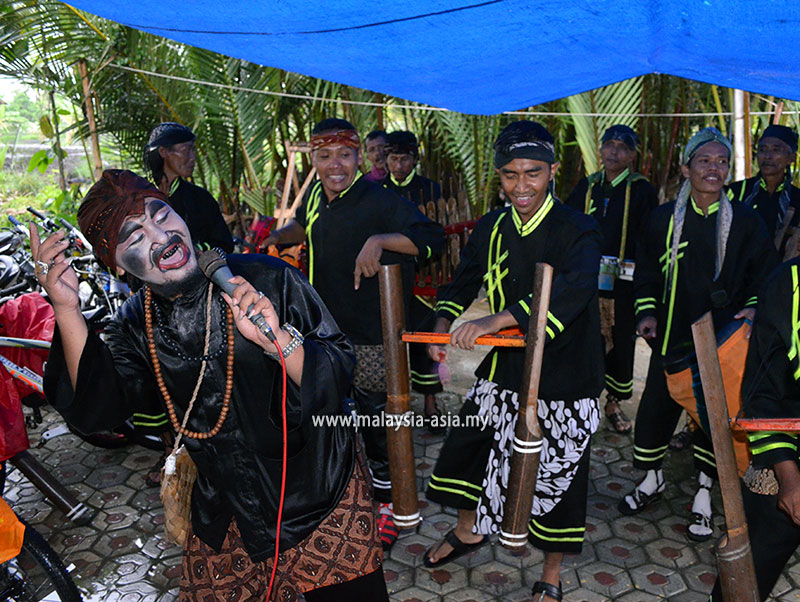
Around the 1980s, locals began to appreciate the engaging rhythms produced when these simple instruments were played in unison. This informal appreciation sparked a cultural transformation, formalising the practice into a unique musical ensemble. The Kenthongan evolved from a mere signalling device into a structured musical art form, shifting its purpose from utility to entertainment and cultural identity.
Origins and Evolution of the Kenthongan
The kentungan itself is a simple bamboo or wooden slit drum. Traditionally, it served a purely functional purpose within rural Javanese communities:
- Communication Tool: Used during nightly patrols (ronda) to signal safety or alert villagers to dangers such as fire, theft, or natural disasters, alert villagers instantly without spoken words.
- Time Marker: Employed to mark prayer times (salat) or during the Islamic fasting month of Ramadan to announce the pre-dawn meal (sahur).
In the 1980s, due to the appealing rhythms produced when multiple people played these instruments together, community members began formalising the practice into a musical ensemble. This transformed a practical signal into a popular form of entertainment and cultural expression.
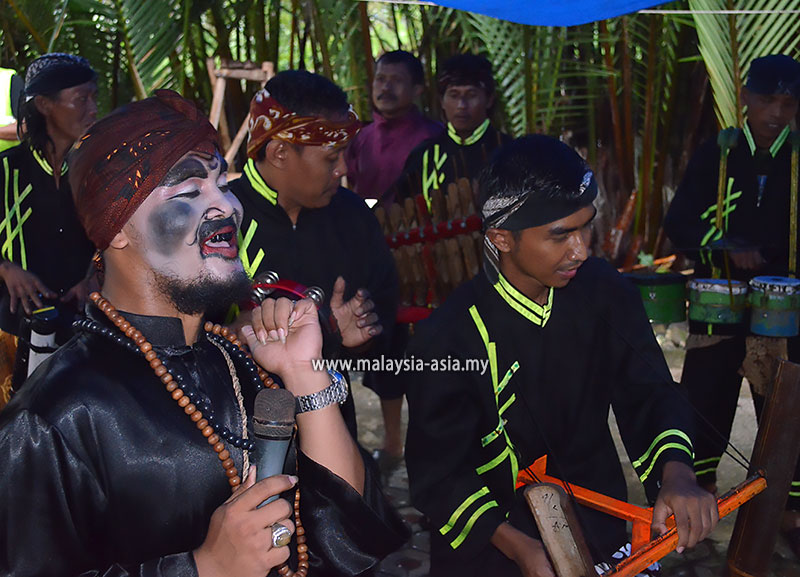
Musical Characteristics and Performance of the Kenthongan
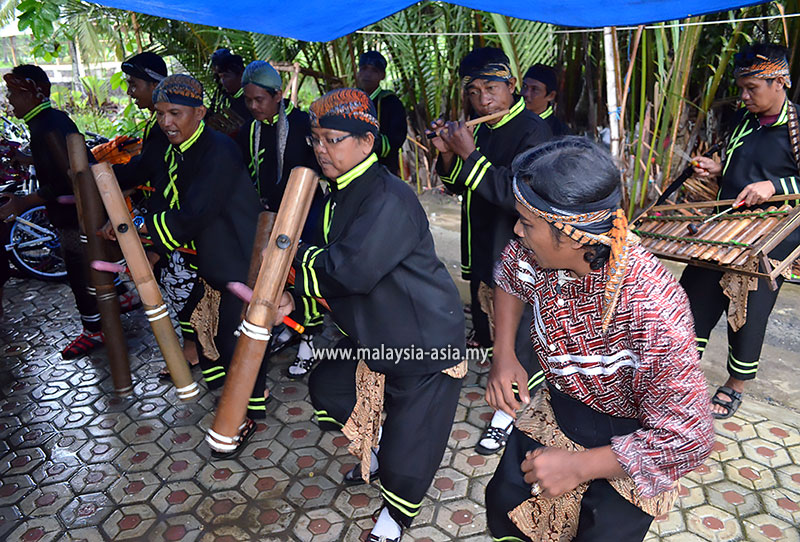
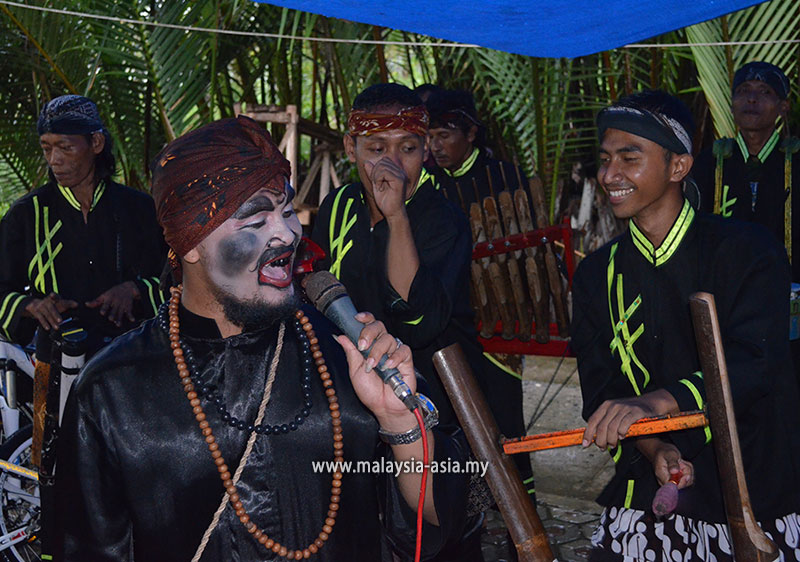
Modern Kenthongan groups typically involve large ensembles, sometimes numbering 20 to 60 performers. The music is characterised by:
- Instrumentation: The primary instruments are various sizes of bamboo kentongan, supplemented by angklung, bamboo flutes (suling bambu), small drums (ketipung), and sometimes a bass drum (bas tong).
- Scales: The instruments are often tuned to either a Western diatonic scale or a traditional Javanese slendro scale, allowing groups to perform a wide variety of popular and traditional Indonesian songs.
- Performance Style: Kenthongan groups often perform in dynamic, marching-band-style formations during carnivals, cultural festivals, and competitions. Unlike Kuda Lumping, Kenthongan music generally does not incorporate mystical elements or trance states.
Conclusion
The Kenthongan tradition exemplifies the creativity of Javanese folk culture, showcasing a powerful transition from a simple utility object to a sophisticated, secular musical art form. It remains a significant part of Banyumas’ regional identity, providing entertainment and fostering a sense of community pride through its distinctive bamboo rhythms, and illustrating the diverse cultural tapestry of Central Java.
Share this content:


Post Comment